The Psychology Behind Gambling: Why Do We Bet?
Gambling is a global phenomenon, captivating millions across cultures, ages, and backgrounds. From lotteries and casino games to sports betting and online slots, the allure of gambling persists despite the well-publicized risks. But what drives people to place their bets, often in the face of long odds? Delving into the psychology behind gambling reveals a fascinating intersection of brain chemistry, behavioral conditioning, social influences, and cognitive biases. Understanding these underlying forces helps explain why gambling is so compelling—and why it can sometimes become problematic.
The Brain’s Reward System: Chasing the Dopamine Rush
At the core of gambling’s appeal lies the brain’s reward circuitry. When we gamble, especially when we win, our brains release dopamine—a neurotransmitter associated with pleasure, motivation, and learning. This chemical “reward” reinforces the behavior, making us want to repeat it.
Studies using brain scans show that both winning and the anticipation of winning light up the same areas of the brain involved in drug addiction. According to a 2017 study published in “Translational Psychiatry,” gambling activates the ventral striatum, a region linked to reward and reinforcement. In fact, near-misses (almost winning) can trigger even greater dopamine spikes than actual wins, fueling the desire to keep playing.
.png)
Some key statistics highlight the strength of this effect:
- A 2022 survey found that 60% of regular gamblers report feelings of excitement and euphoria after winning. - Dopamine levels can increase by as much as 100% during gambling sessions, according to research from the University of British Columbia.This powerful neurochemical feedback loop explains why gambling can be so exhilarating—and why, for some, it can develop into a compulsion.
Behavioral Conditioning: The Power of Variable Rewards
One of the most potent psychological mechanisms behind gambling is what psychologists call “variable ratio reinforcement.” This is the same principle that keeps people glued to slot machines or checking lottery numbers week after week.
In variable ratio reinforcement, rewards are delivered unpredictably. You might win on the first spin, or the hundredth, or never at all. The unpredictability keeps players engaged, as each new bet carries the tantalizing possibility of a payoff.
This concept was famously demonstrated by psychologist B.F. Skinner in the 1950s. He found that rats would press a lever more persistently when rewards (food pellets) were dispensed at random intervals, rather than on a set schedule.
Here’s a quick comparison of reinforcement schedules relevant to gambling:
| Schedule Type | Description | Example in Gambling | Behavioral Effect |
|---|---|---|---|
| Fixed Ratio | Reward after a set number of actions | Loyalty program free spin after every 10 bets | Steady response, but slower engagement |
| Variable Ratio | Reward after a random number of actions | Slot machine payouts | High, persistent engagement |
| Fixed Interval | Reward after a set time period | Weekly lottery draw | Predictable participation spikes |
| Variable Interval | Reward at unpredictable time intervals | Progressive jackpot hits | Steady, ongoing engagement |
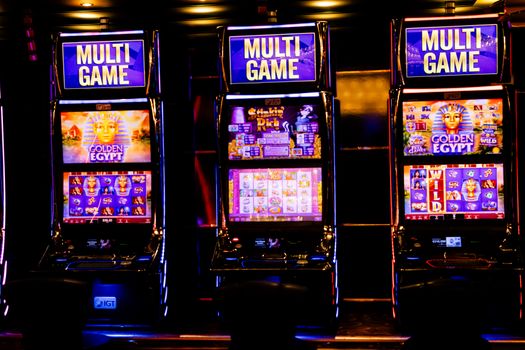
Gambling operators leverage variable rewards to maximize engagement—and it works. Slot machines, for example, are engineered to deliver wins at unpredictable intervals, keeping players in their seats longer.
Cognitive Biases: Why We Overestimate Our Chances
Beyond brain chemistry and reinforcement, our own thought patterns play a significant role in gambling behavior. Cognitive biases—systematic errors in thinking—can skew our perception of risk and reward.
Some of the most common biases in gambling include:
- The Gambler’s Fallacy: This is the belief that past outcomes influence future results in random events. For example, after several losses at roulette, players may believe a win is “due,” even though each spin is independent. - Illusion of Control: Many gamblers believe they can somehow influence outcomes, even in games of pure chance. Superstitions, “lucky” rituals, and strategies feed this illusion. - Near-Miss Effect: Near-wins (e.g., two matching symbols on a slot machine) can feel almost as rewarding as actual wins, encouraging continued play. A 2015 study in “Journal of Gambling Studies” found that near-misses activate reward centers in the brain nearly as much as real wins.These biases can lead us to overestimate our chances, underestimate risks, and chase losses—contributing to both the excitement and the potential dangers of gambling.
Social and Cultural Influences: Gambling as a Social Activity
Gambling is rarely a solitary pursuit. Social and cultural factors strongly shape when, how, and why we gamble. In many societies, gambling is woven into the fabric of social life—whether it’s poker nights with friends, betting on sports, or participating in office pools.
A 2021 report from the UK Gambling Commission found that 73% of adult gamblers had participated in group gambling activities in the past year. Social gambling serves several psychological needs:
- Belonging: Group betting fosters camaraderie and shared excitement. - Social Proof: Seeing others gamble (and win) can normalize and encourage participation. - Competition: Friendly rivalry can make gambling more engaging.Cultural attitudes also matter. In some countries, gambling is heavily stigmatized, while in others, it's seen as a harmless pastime or even a rite of passage. Marketing and media further amplify these influences by glamorizing big wins and celebrity gamblers.
Risk, Thrill, and Escapism: The Emotional Drivers
For many, gambling is about more than money—it’s about experiencing emotion. The thrill of risk, the suspense of waiting for a result, and the rush of a potential win all contribute to gambling’s appeal.
Research by the National Council on Problem Gambling indicates that up to 30% of regular gamblers cite “excitement” or “escape” as their main motivations. Gambling can serve as a distraction from stress, anxiety, or boredom, providing an intense focus and temporary relief from life’s pressures.
However, these emotional drivers can also lead to problems. The desire to recapture past highs or numb negative feelings may prompt some individuals to gamble more than they can afford, increasing the risk of addiction.
When Gambling Becomes a Problem: Understanding Addiction
While most people gamble occasionally without issue, a significant minority develop problematic behaviors. The World Health Organization estimates that around 1-3% of the adult population exhibits signs of gambling disorder—a pattern of persistent, recurrent gambling behavior that disrupts personal, family, or professional life.
The cycle of addiction often involves:
1. Initial wins and excitement 2. Increasing bets to recapture previous feelings 3. Chasing losses after setbacks 4. Neglecting responsibilities and relationships 5. Financial and emotional distressGenetics and mental health also play a role. Studies show that individuals with a family history of addiction or mental health disorders are more vulnerable to gambling problems.
Treatment options include cognitive-behavioral therapy, support groups like Gamblers Anonymous, and, in some cases, medication. Early intervention is crucial for preventing long-term harm.
Final Thoughts: The Complex Allure of Gambling
Gambling’s psychological pull is the result of a complex interplay between biology, behavior, cognition, and culture. The thrill of risk, the possibility of reward, and the influence of social circles all contribute to its enduring appeal. While most people gamble for fun and entertainment, understanding the factors that drive betting behavior can help us make more informed choices—and recognize when the risks outweigh the rewards.
As gambling continues to evolve, especially with the rise of online and mobile platforms, awareness of these psychological mechanisms is more important than ever. Responsible gambling starts with understanding not just the odds, but also the powerful forces within our own minds.