The Psychology Behind Gambling: Why Do We Bet?
Gambling is one of humanity’s oldest pastimes, dating back thousands of years to ancient civilizations that played dice games and wagered on contests. Today, gambling is a multibillion-dollar global industry, spanning everything from lottery tickets and slot machines to sports betting and online casinos. But what makes the act of gambling so appealing? Why do millions of people around the world place bets, even when the odds are often against them? The answers lie deep within the human mind. In this article, we’ll explore the psychological forces that drive gambling behavior, examining everything from our brain chemistry to the influence of social factors and the impact of near-misses.
The Brain’s Reward System: Dopamine and the Thrill of Uncertainty
Central to the psychology of gambling is the brain’s reward system, especially the neurotransmitter dopamine. When we experience something pleasurable or exciting, such as winning a bet, the brain releases dopamine, creating feelings of euphoria and reinforcing the behavior that led to the reward.
Research has shown that gambling activates the same neural pathways involved in other forms of pleasure, such as eating or sexual activity. But what’s particularly interesting is that dopamine spikes not only when we win but also in anticipation of a potential win. This anticipation—essentially, the thrill of not knowing what will happen next—can be intensely stimulating. In fact, slot machines and casino games are deliberately designed to maximize this sense of unpredictability.
.png)
A 2011 study published in the journal Neuron found that near-misses—situations where a gambler comes close to winning—trigger almost the same dopamine response as actual wins. This helps explain why people continue to play, chasing the high of “almost” winning. According to the UK Gambling Commission, over 45% of adults in the UK participated in some form of gambling in 2022, highlighting just how widespread and powerful these psychological rewards can be.
Cognitive Biases: The Mental Shortcuts That Keep Us Playing
Our minds are wired with cognitive biases—mental shortcuts that help us make quick decisions but can sometimes lead us astray, especially in gambling. Several key biases play a significant role in why people continue to bet, even when the odds are not in their favor.
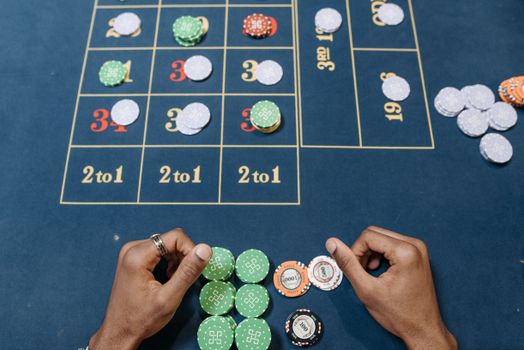
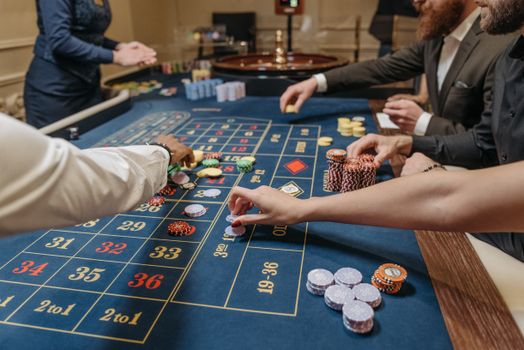
The Gambler’s Fallacy is one of the most well-known. It’s the mistaken belief that if something happens more frequently than normal during a given period, it will happen less frequently in the future (or vice versa). For example, if a roulette wheel lands on red five times in a row, a gambler might believe black is “due,” despite each spin being independent and random. This bias can lead to increased betting and risk-taking.
Another common bias is the Illusion of Control. Many gamblers believe they can influence or predict outcomes, even in purely random games. For instance, lottery players might pick “lucky” numbers, or a dice player might throw the dice a certain way, believing it affects the result. Psychologists have found that such illusions can increase confidence and betting amounts, despite no actual improvement in odds.
The Availability Heuristic also plays a role. We tend to overestimate the likelihood of memorable events—such as big wins—because they stand out more in our memory. This can make gambling appear more rewarding than it actually is.
The Role of Social Factors and Cultural Influences
Gambling isn’t just a solitary activity. Social and cultural factors have a profound impact on why and how people bet. In many societies, gambling is embedded in social rituals, celebrations, and traditions. For example, poker nights, betting on sports games with friends, or participating in office lottery pools are all common social gambling activities.
A 2021 study by the National Council on Problem Gambling found that individuals are more likely to gamble if their friends and family do. Peer pressure and a desire to fit in can drive people to place bets, even if they’re not inherently drawn to gambling. In some cultures, gambling is seen as a test of skill, courage, or luck—attributes that are socially valued.
Cultural attitudes toward luck and fate also shape gambling behavior. In China, for instance, beliefs about lucky numbers and auspicious days can influence when and how people gamble, particularly during festivals like Lunar New Year. In contrast, some cultures have strong religious or ethical prohibitions against gambling, which can serve as a protective factor.
The Allure of Near Misses and “Losses Disguised as Wins”
Casino designers and game developers use sophisticated psychological techniques to keep players engaged. One of the most effective is the exploitation of near misses—outcomes that are close to a win but ultimately a loss. Studies have shown that near misses activate reward pathways in the brain, encouraging players to continue.
Another technique is the “loss disguised as a win” (LDW), particularly common in slot machines. This occurs when a player “wins” an amount less than their original bet, accompanied by celebratory sounds and flashing lights. Although the player has actually lost money, the brain interprets the sensory feedback as a win, reinforcing play.
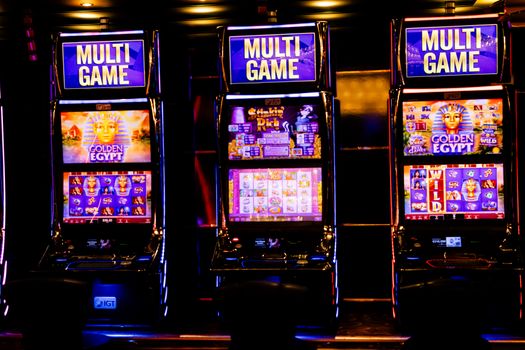
These phenomena are not just theoretical. Data from the Nevada Gaming Control Board indicates that over 70% of casino revenue in Las Vegas comes from slot machines—games specifically designed to maximize near-misses and LDWs. With their rapid play rate (up to 600 spins per hour), these games can generate significant dopamine-driven excitement, regardless of actual financial outcomes.
Comparing Gambling Motivations: A Data Overview
Why do people gamble? The motivations are diverse and often overlap. Below is a comparative table summarizing key reasons people cite for gambling, based on a 2023 survey by Statista involving over 5,000 respondents worldwide.
| Motivation | Percentage of Respondents | Example Activities |
|---|---|---|
| Entertainment/Fun | 63% | Playing slots, attending casino nights |
| Social Interaction | 41% | Sports betting with friends, poker nights |
| Chance to Win Money | 78% | Lottery, high-stakes betting |
| Escapism/Stress Relief | 26% | Online gambling during work breaks |
| Skill/Challenge | 18% | Poker, blackjack tournaments |
As the table shows, while the hope of winning money is the most frequently cited reason, entertainment and social interaction are also major drivers. Notably, over a quarter of respondents use gambling as a form of escape or stress relief—highlighting the emotional dimension of betting.
Risk, Reward, and the Variable Ratio Schedule
One of the most intriguing aspects of gambling is the concept of the variable ratio reinforcement schedule—a psychological principle that underpins most gambling games. In this system, rewards (such as wins) are delivered unpredictably, after an unknown number of actions. This is different from a fixed schedule, where rewards are given at regular intervals.
Psychologist B.F. Skinner first demonstrated that behaviors reinforced on a variable ratio schedule are the most persistent and resistant to extinction. In gambling, this means that players keep playing because they never know when the next win will come. Slot machines, lottery draws, and even scratch cards use this principle to keep people engaged. The unpredictability of reward creates a powerful compulsion to continue, even in the face of repeated losses.
According to the American Gaming Association, U.S. casino gaming revenue reached a record $60.4 billion in 2022, illustrating just how effective the variable ratio schedule is at sustaining player engagement and industry profitability.
The Dark Side: When Gambling Becomes Problematic
While most people gamble responsibly, for some, betting can become a serious problem. Pathological gambling, now classified as “gambling disorder” in the Diagnostic and Statistical Manual of Mental Disorders (DSM-5), affects about 1% of the adult population, according to the National Council on Problem Gambling.
Problem gambling is characterized by an inability to control betting, despite negative consequences. Psychological factors such as impulsivity, sensation-seeking, and underlying mental health issues can increase the risk. The same brain reward mechanisms that make gambling exciting can, in vulnerable individuals, contribute to addiction.
In addition to personal distress, problem gambling can have wide-ranging social and economic impacts, including relationship breakdowns, job loss, and financial ruin. In 2022, the UK Gambling Commission estimated that gambling-related harm cost British society over £1.2 billion per year, when taking into account healthcare, social services, and lost productivity.
Conclusion: Understanding Our Urge to Gamble
The psychology behind gambling is complex and multifaceted, involving a mix of brain chemistry, cognitive biases, social influences, and clever game design. Whether it’s the thrill of uncertainty, the hope of a big win, or the simple desire for entertainment and social connection, the reasons we bet are deeply rooted in human nature. By understanding the psychological forces at play, individuals can make more informed choices about their gambling behavior, and society can better address the risks associated with problem gambling. Ultimately, gambling reflects some of our most basic drives—curiosity, risk-taking, and the pursuit of reward.